
Heating and cooling have always been essential for keeping people comfortable and safe. Today, businesses rely on a portable commercial HVAC system to manage temperature in offices, warehouses, hospitals, and many other environments. But the systems we know now took centuries to develop. They began with simple ideas and gradually evolved into the efficient technology that companies depend on today.
But who actually invented the first HVAC system, and how did it evolve into the highly efficient solutions we depend on now? Well, that’s what we’ll be exploring today, so stick around to learn more about the history of heating and cooling systems we know and love today!
Who invented the first HVAC system?
While early civilizations experimented with temperature control, the first true HVAC system was invented in the early 20th century. In 1902, Willis Carrier developed the first modern air conditioning system to help a Brooklyn printing plant control humidity. His “Apparatus for Treating Air” became the foundation of today’s cooling technology, and Carrier is now recognized as the father of modern air conditioning.
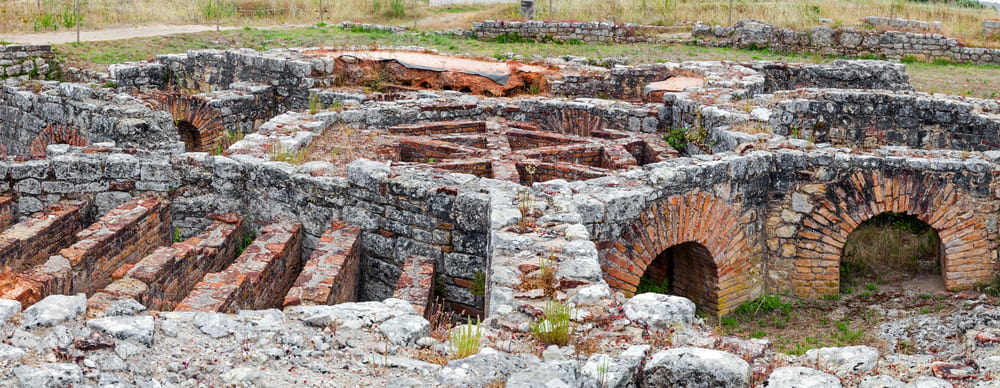
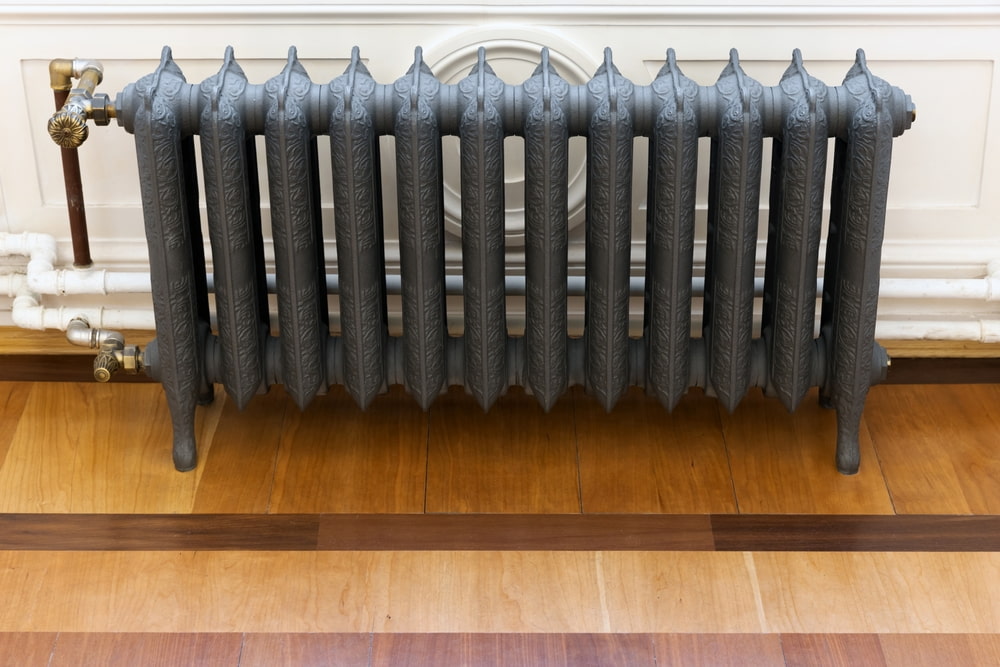
Heating advancements followed a different path. Ancient Romans used hypocaust systems, which circulated warm air beneath floors to heat entire buildings. By the 19th century, steam and hot water radiators became widespread, laying the groundwork for central heating.
As HVAC technology continued to develop, these once-separate innovations eventually merged, paving the way for the integrated systems we use today.
How has HVAC changed over time?
Heating and cooling systems have gone through many stages of improvement. Each era introduced new ideas that made temperature control easier, safer, and more efficient.
Early solutions
Ancient civilizations used natural ventilation, wind towers, and radiant heating techniques. These early systems were simple but revolutionary for their time.
Mechanical breakthroughs
Factories demanded better temperature and humidity control, leading to the invention of steam heating systems, fans, and the first mechanical cooling methods.
Every day use becomes common
Once Carrier’s AC system entered commercial use, it quickly spread to movie theaters, office buildings, and eventually homes. By the mid-1900s, HVAC became a standard part of modern infrastructure.
Modern improvements
Today’s HVAC systems are more efficient, quieter, and easier to control. Digital thermostats, smart sensors, and variable-speed equipment allow businesses to fine-tune temperature and reduce energy use. Portable HVAC systems also grew in popularity, giving companies a fast and flexible way to manage temperature during renovations, emergencies, or temporary projects.
All of these advancements highlight why businesses continue to rely on temporary solutions, from the growing reasons to rent a portable heater to the many benefits of portable AC rentals.
A future focused on sustainability
Modern HVAC continues to evolve with a strong focus on environmental responsibility. Newer systems use cleaner refrigerants, advanced filters, and energy-saving designs. Portable systems help too because they allow businesses to get the cooling or heating they need without installing permanent equipment. These trends suggest a shift toward greener technology, modular units, and smarter temporary systems.
Where can I find a portable commercial HVAC system in San Diego?

Businesses across San Diego turn to Aerco Systems when they need reliable, no-hassle temperature control—without the cost or commitment of permanent equipment. Our rental HVAC solutions are designed for real-world needs: keeping workspaces comfortable, protecting equipment, and ensuring operations continue without disruption.
Whether your facility sits near Old Town San Diego State Historic Park or elsewhere in the county, our team is there to provide quick delivery, precise sizing, and expert setup. Every unit is thoroughly maintained, so you get dependable performance from the moment it’s installed.
Reach out today to get a portable commercial HVAC system that fits your timeline, your space, and your budget!