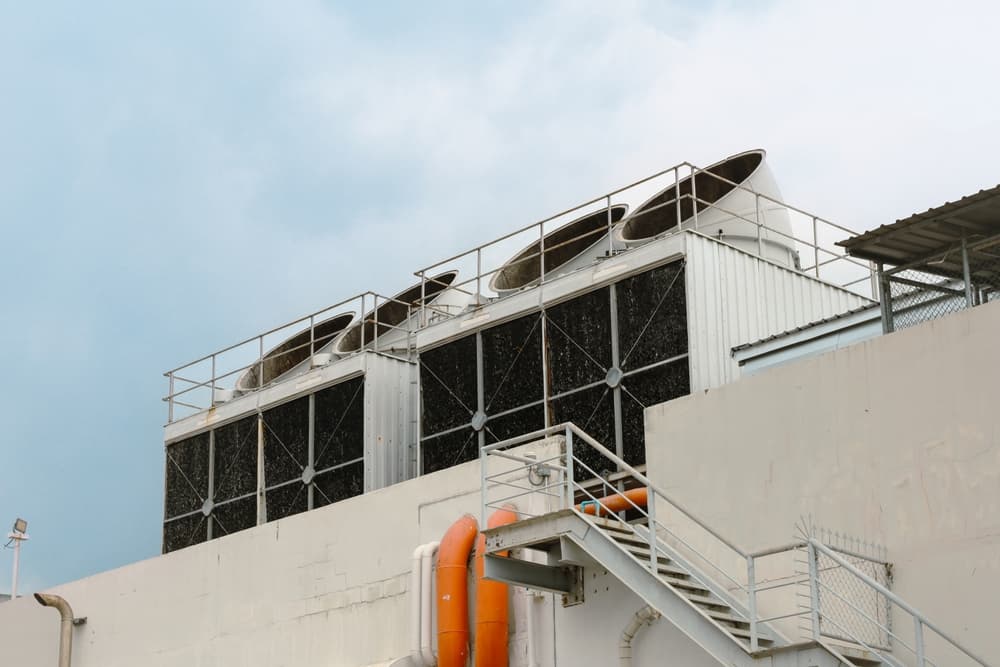
Peak heat can push facility cooling systems harder than almost any other seasonal condition. When outdoor temperatures rise, chillers, cooling towers, process systems, HVAC equipment, and mechanical rooms often have to work longer to maintain stable performance.
If the existing setup is already close to capacity, summer heat can expose weak points quickly. For facility teams searching for an Orange County temporary cooling rental, cooling tower rentals can provide practical support when added capacity, backup equipment, or short-term relief is needed.
Why is summer heat hard on facility cooling systems?
Summer heat affects facility cooling systems in several connected ways. The issue is not just that equipment runs longer. Higher temperatures can change the cooling load, reduce system flexibility, and make small performance gaps show up much faster.
Higher temperatures increase heat rejection demand
Cooling systems have to remove heat from the building, process, or equipment they support. When outdoor temperatures rise, that heat becomes harder to reject efficiently. Equipment may need to run longer, work harder, or cycle more often to maintain the same conditions it handled easily during mild weather.
That added demand can affect chillers, cooling towers, HVAC systems, process cooling equipment, and mechanical rooms. In facilities where cooling supports production, tenant comfort, sensitive equipment, or operational safety, even a small drop in performance can create bigger concerns.
Efficiency can drop during extended heat
A few hot hours may not create a major issue, but several days of high temperatures can put steady pressure on the entire cooling system. As equipment runs longer, efficiency can drop and wear can become more noticeable. Components that were already aging, dirty, undersized, or due for maintenance may struggle more during peak heat.
This is often when facility teams realize the system has less reserve capacity than expected. A setup that works during normal conditions may not have enough margin during a heat wave, especially if demand rises at the same time.
Small capacity gaps become more obvious
Summer heat can expose short-term cooling capacity issues quickly. A facility may be able to operate normally most of the year, but peak temperatures can reveal that the system needs extra support during certain conditions. This does not always mean the permanent system has failed. Sometimes the issue is temporary demand, added production load, maintenance work, or weather pushing the system beyond its comfortable range.
Facilities that have dealt with sudden load changes may benefit from understanding what causes short-term cooling capacity issues before peak conditions return. Knowing whether the problem is seasonal, mechanical, or process-related can make it easier to plan the right response.
Heat can affect different parts of the facility differently
Not every area of a facility experiences summer heat the same way. Production spaces, server rooms, manufacturing areas, warehouses, and high-occupancy zones may each place different demands on the cooling system. One area may remain stable while another starts running warm, especially if airflow, process load, or equipment use changes throughout the day.
This can make heat-related cooling problems harder to diagnose. The issue may not be one single failure. It may be a combination of outdoor conditions, internal load, equipment runtime, and limited system flexibility.
Planned work can become harder in summer
Maintenance, repairs, equipment replacement, and construction delays can be more challenging during peak heat because the existing system may already be under pressure. Taking equipment offline during mild weather is one thing. Doing it during a heat wave can create a much tighter operating window.
Before scheduling temporary equipment, facility teams should think through:
- Current cooling load or system capacity needs
- Areas of the facility most affected by heat
- Available space for rental equipment
- Power, water, and connection requirements
- Site access for delivery and placement
- Expected rental timeline
- Whether the need is planned, urgent, or seasonal
Having this information ready can make it easier to choose the right setup. Facilities planning ahead can benefit from knowing what information to provide before renting temporary cooling equipment, especially when summer timelines are tight.
Preparation reduces delays when heat is already a factor
When cooling support is needed during peak heat, preparation matters. Access routes may need to be cleared, utility connections confirmed, and internal teams coordinated before equipment arrives. If these details are not handled early, the rental process can slow down at the exact moment the facility needs support most.
This is where preparing your facility for a cooling tower rental becomes useful. Reviewing power, water, piping, space, and placement ahead of time can help equipment come online more smoothly.
Temporary cooling can help relieve pressure
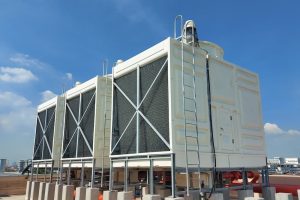 When summer heat pushes a facility beyond its normal cooling range, rental equipment can provide added support while the team addresses the larger issue. A cooling tower rental may help during demand spikes, maintenance windows, repairs, or temporary capacity gaps.
The key is understanding the source of the strain first. Once facility teams know how heat is affecting the system, they can decide whether temporary cooling support is the right way to stabilize operations and reduce pressure on permanent equipment.
Who offers an Orange County temporary cooling rental for facilities under heat-related pressure?
At Aerco Systems, we work with facility teams that need reliable cooling support when high temperatures start affecting performance. Whether your system needs backup, added capacity, or temporary relief during repairs, we can help coordinate equipment that fits your facility’s requirements. From sites near Peralta Hills to facilities across Orange County, reach out today and we’ll help you take the next step before peak heat puts more pressure on your operation.