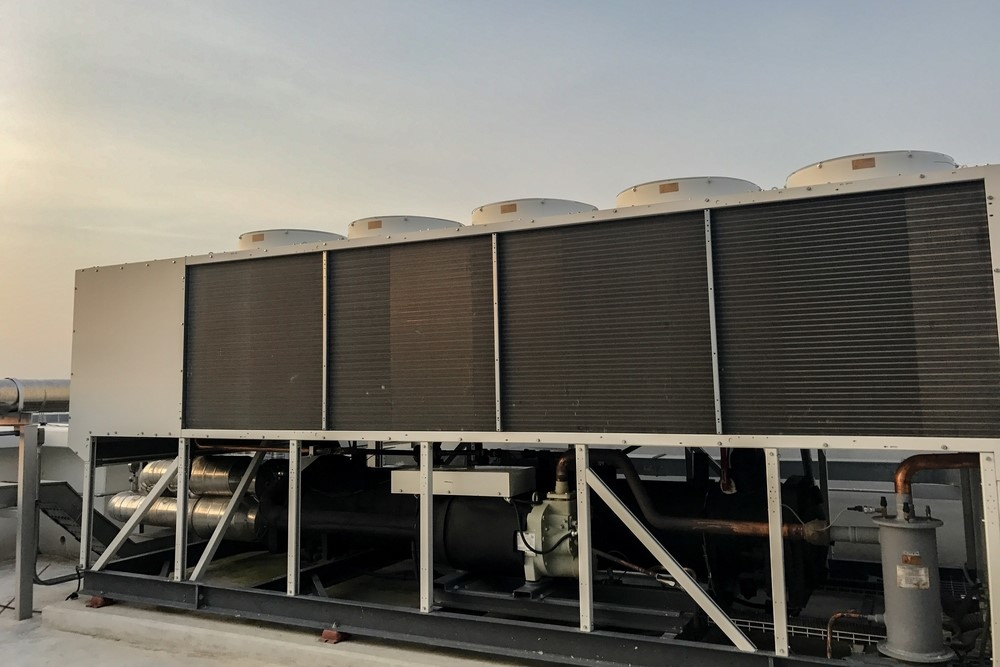
A chiller going down mid-shift and a facility bracing for a three-month renovation don’t call for the same solution. One needs a fast fix that gets cooling back online within days, and the other needs equipment that can stay in place for an entire project timeline. Sorting out which side of that line your facility falls on usually comes down to what triggered the gap and how much risk you can afford to carry while a permanent system gets sorted out.
Is your team currently weighing a portable chiller rental in Riverside County against a longer commitment? Read on to see how short-term and long-term rental periods differ and which one lines up with your facility’s timeline.
When does a short-term chiller rental make sense?
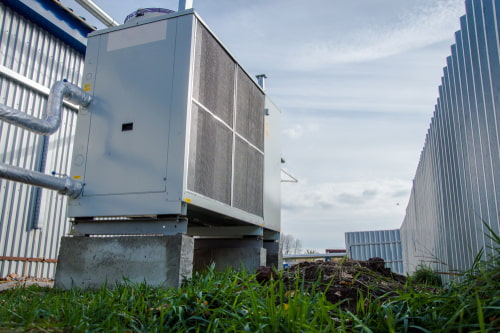 Short-term solutions are usually the right fit when the cooling need is immediate, temporary, and clearly tied to a specific issue. They help facilities keep operations moving while the permanent system is repaired and inspected, or brought back online.
Emergency cooling support
A short-term unit can be useful when a chiller fails unexpectedly, and the facility needs support quickly. In that situation, the priority is restoring cooling capacity before downtime affects occupants, process equipment, or temperature-sensitive areas.
The unit must be sized properly, delivered efficiently, and connected in a way that supports the facility’s load requirements.
Temporary repairs or maintenance
Short-term units also make sense when permanent equipment is offline for repair. If a facility knows the repair window will be limited, a rental chiller can bridge the gap without requiring a long commitment.
Common situations that need short-term solutions may include:
- Unplanned mechanical failure
- Scheduled repair
- Temporary process cooling needs
- Short maintenance shutdowns
- Event-based cooling demand
The key is understanding the expected timeline before selecting the duration of the setup. If the job takes longer than expected, the facility may need flexibility built into the agreement.
Testing a cooling strategy
Some facilities use short-term units to test a temporary cooling setup before a longer project begins. This can help teams understand access requirements, connection points, and cooling performance before committing to an extended rental period.
It’s important to remember that the placement of a portable chiller rental unit matters too, because the one that’s difficult to access, poorly ventilated, or positioned too far from connection points may create avoidable challenges.
How do longer rental periods support planned facility needs?
Longer rental periods work best when a facility has a known cooling need that will last weeks, months, or through an entire project phase. These are often less reactive and more strategic.
Support during major projects
Facilities may need extended cooling during renovations, equipment replacement, plant upgrades, or construction schedules, and the cooling unit becomes part of the facility’s temporary infrastructure for the length of the project.
Matching the unit to the load and monitoring it the way established chiller evaluation protocols recommend keeps performance steady over that stretch, rather than just for a quick fix.
Backup during peak demand
Some facilities plan longer chiller rentals around seasonal demand. When the pressure on the cooling system rises, existing equipment may struggle to keep up, especially if the system is aging or already operating near capacity.
A longer rental can help support:
- Peak cooling months
- Equipment lead times
- Planned system replacements
- Facility expansion needs
- Production or process loads
For facilities in warmer regions, this type of planning can make rental availability, installation, and scheduling much easier to manage.
More predictable budgeting
Long-term solutions can also help when permanent equipment decisions are still being finalized. Instead of rushing into a replacement, a facility may rent to maintain operations while evaluating repair options, capital approvals, or procurement timelines.
That flexibility can be valuable when the cooling need is real, but the permanent solution still needs time.
Better operational continuity
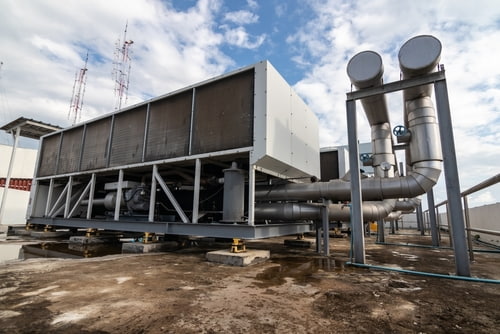
The biggest advantage of a longer rental is continuity. Facility teams can maintain cooling support without repeatedly extending short rental windows or reacting to last-minute changes.
A longer period may be the better fit when the cooling need is connected to a planned project, an extended repair, or a known gap before permanent equipment is available. Short-term rentals solve immediate problems, but long-term renting can help facilities manage cooling as part of a larger operational plan.
Who can help my facility choose the right portable chiller rental in Riverside County?
Aerco Systems works with facilities throughout Riverside County to match cooling equipment to the situation at hand, whether that’s an emergency swap-in or a rental built around a longer project timeline. We size and deliver each unit based on the facility’s actual load, and stay available through the rental period if access or scheduling needs change.
From sites near Riverside Convention Center to properties elsewhere in the county, placement and timing get the same level of attention as the equipment itself. Contact us today to talk through your cooling timeline and get a plan built around how your facility actually operates.