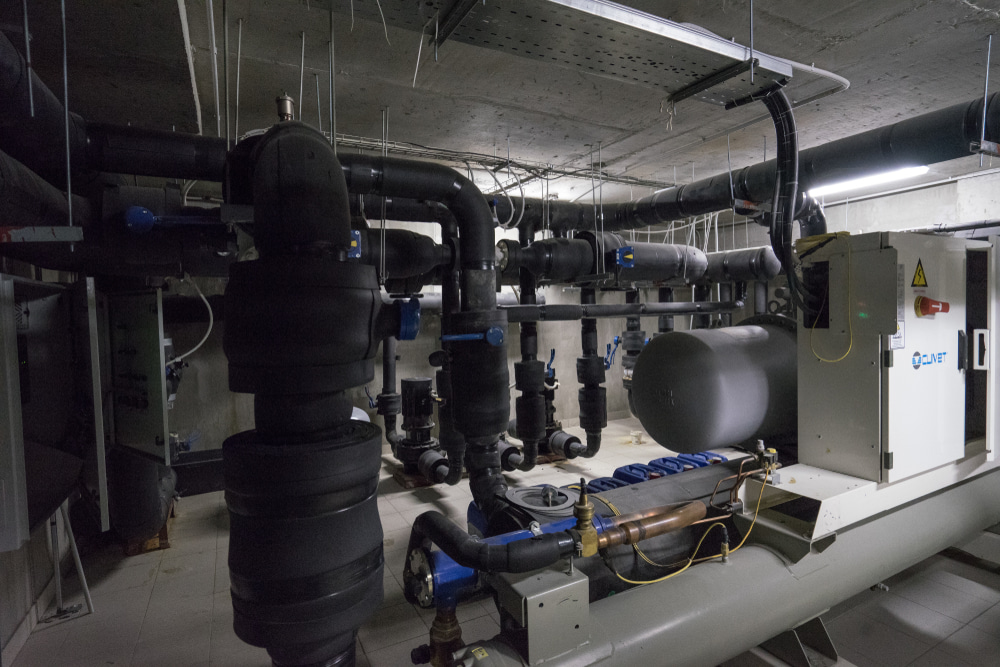
Portable chiller placement is not just a delivery detail. Where the unit sits can affect airflow, service access, connection distance, safety planning, and how smoothly temporary cooling performs once the system is running.
For teams looking for portable chiller rental units in Riverside County, placement should be part of the planning conversation early, not something decided when the truck arrives. When you’re thinking through where a rented chiller unit should go on-site, keep in mind that the right placement can help the system run more efficiently from day one. Let’s see how!
How can placement affect chiller performance?
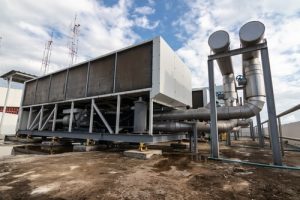 Placement affects how well a unit can reject heat, connect to the facility, and remain accessible during the rental period. Sometimes, it may be properly sized, but a poor location can still make the setup harder to manage.
Airflow can influence performance
A rented unit needs open space around it, not just for delivery, but to keep air moving once it’s running. Crowding the sides with walls, fencing, or stored materials makes the system work harder to move the same amount of air. It’s not just a performance issue. Clearance is a requirement for any equipment that uses natural air circulation to cool itself.
Connection distance matters
Connection to the facility in a way that supports the cooling load without creating unnecessary complications is a must. Longer runs may require more planning around hose routing, pressure considerations, and access paths.
Before selecting a location, facility teams should look at:
- Chilled water connection points
- Electrical access
- Hose and cable routing
- Space for delivery equipment
- Clear paths for service personnel
Good placement keeps the rental setup practical from the start.
Access affects service & monitoring
A system should be easy to reach during the rental period. If technicians need to inspect the unit, adjust operation, or perform service, blocked access can slow everything down.
This becomes even more important during longer rental periods. When a facility is planning extended temporary cooling, the rental timeline should match the facility’s cooling needs so access, maintenance, and site logistics are all considered before the unit is placed.
Where should a rental chiller be placed on-site?
The right on-site location depends on the facility layout, available utilities, cooling load, and project timeline. A good rental plan usually balances performance with safe, practical access.
1. Choose a stable, open area
A rented cooling system should be placed on a stable surface that can support the unit and allow safe access around it. Open areas are usually easier to work with because they give the equipment room to operate and make service simpler.
The site should also be reviewed for drainage, vehicle access, overhead obstructions, and nearby activity that could interfere with operation.
2. Keep the unit close enough to the building
Closer is not always better, but the unit should be placed close enough for efficient connection to the facility. The goal is to reduce unnecessary routing while still leaving room for airflow, service clearance, and safe operation.
If a facility is dealing with a sudden outage, placement decisions may need to happen quickly. Even then, it helps to avoid rushing the setup. A cooling failure that needs immediate rental support still requires careful planning so the unit can be connected and operated properly.
3. Plan around peak-season demand
Facilities that wait until demand is already high may have fewer placement options because space, staff availability, and scheduling can become harder to coordinate. Planning for the peak cooling season in advance makes it easier to review the site and choose a location that supports better performance.
4. Think about the full rental period
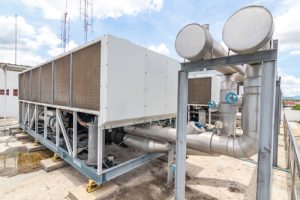 A location that works for one day may not work as well for several weeks. If the unit is there to support a planned project, seasonal load, or equipment replacement timeline, the placement should be practical for the whole rental period.
That means thinking beyond delivery. Facility teams should consider service access, traffic patterns, security, weather exposure, and whether the unit will interfere with normal operations.
A properly placed temporary system can make cooling feel much more manageable. It helps the equipment perform as intended, supports safer access, and reduces the chance of avoidable delays once the equipment is in use.
Who can help with placing portable chiller rentals in Riverside County?
Aerco Systems helps facilities plan portable chiller rentals with the full site in mind, not just the equipment size. Wherever you’re located in Riverside County, our team can review access points, connection needs, airflow considerations, and rental timing before recommending a setup.
Contact us today to coordinate temporary cooling support that fits your facility’s layout and operating needs.