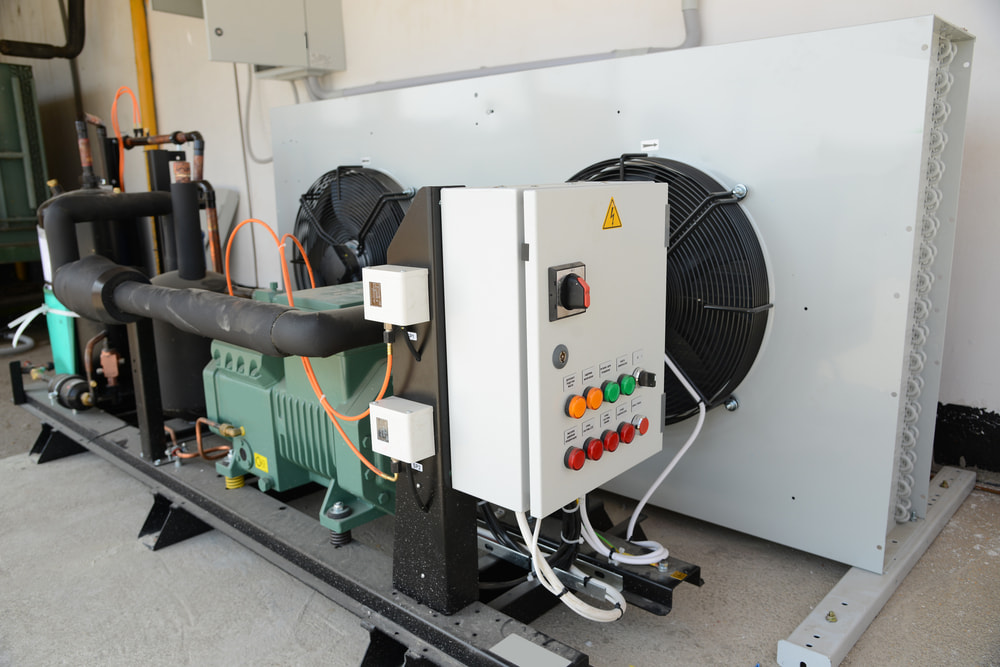
A cooling system failure can put a facility under pressure fast. Occupant comfort may drop, process temperatures can drift, and critical equipment may lose the cooling support it depends on. When teams are already dealing with alarms and service calls, the next move needs to be practical. For facilities searching for rental chillers in Riverside County, portable equipment can keep necessary cooling in place while the permanent system is being repaired or evaluated.
With the right response plan, a cooling failure can become a manageable interruption rather than a long-term operational setback.
What should facilities do when a chiller fails unexpectedly?
The first response should focus on stabilizing operations, protecting people, and understanding the load that still needs cooling. A rushed decision can create more problems on-site, especially when electrical service, flow requirements, or access limitations have not been reviewed.
Confirm the scope of the failure
Facility teams should identify whether the problem affects one unit, a central plant, or a specific cooling loop. That basic assessment helps determine how much temporary capacity may be needed.
Important details to gather include:
- Current supply and return temperatures
- Estimated cooling load
- Available electrical service
- Pumping and connection requirements
These details help the provider recommend equipment that matches the facility’s actual cooling requirements.
Protect critical areas first
Some spaces can tolerate a short temperature shift. Other areas may need immediate cooling support to protect operations. Data rooms, medical spaces, manufacturing areas, and occupied buildings may each have different tolerance levels.
Worker safety should stay part of the response as indoor temperatures rise. During an outage, facility teams may need to account for heat exposure while temporary cooling support is being arranged.
Review duration early
An unexpected breakdown may start as a short-term need, then stretch if parts are delayed or the repair requires additional work. That’s why it helps to think about timing right away.
The expected repair window can help determine which rental timeline fits your facility. Shorter service windows may work for a fast repair, while extended ones can support operations through a longer recovery period.
How quickly can a portable chiller rental restore cooling support?
A portable chiller can restore temporary cooling relatively quickly when the facility is ready to receive the equipment. The actual timeline depends on several practical factors, including whether the right unit is available, how easily it can reach the site, and whether the necessary power and connection points are ready for setup.
Match the equipment to the site conditions
Before a unit can be delivered, the provider needs a clear picture of where it will operate and how it will connect to the existing system. Available electrical service, hose routing, connection points, and clearance around the equipment can all affect setup.
Choosing where rental chillers perform best on-site means accounting for enough room to install and service the unit without interfering with normal operations. Resolving those details early also reduces the chance of discovering an access or utility problem after delivery.
Remove delivery & setup bottlenecks
Even when the correct equipment is available, the site itself can slow down the response. Gates, loading areas, active work zones, or limited space may affect where a truck can enter and how the unit reaches its final position.
During periods of extreme heat, more facilities may be competing for temporary cooling equipment at the same time. That is why rental availability may tighten during the hottest periods, especially when outages and equipment strain increase across the region.
Give the provider the information needed to act
Clear information helps the rental provider narrow down the appropriate equipment and arrive better prepared for the installation. Facility teams should be ready to explain what failed, how much cooling is still required, and what utilities and access are available.
Photos, connection details, load information, or existing system documentation may also help clarify the situation before equipment reaches the site. The fewer unknowns that remain during setup, the easier it is to move from an equipment failure to temporary cooling without avoidable back-and-forth.
Who provides reliable rental chillers in Riverside County?
When cooling goes down, Aerco Systems helps facilities move quickly from troubleshooting to temporary solutions. We review the site conditions, required capacity, and available connections so the rental equipment fits the actual demands of the facility instead of adding more complications during an outage.
For operations throughout Riverside County, having temporary equipment in place can buy valuable time while permanent repairs move forward. If a cooling failure is already disrupting your facility, contact us today to discuss what the site needs and get the rental process moving.