
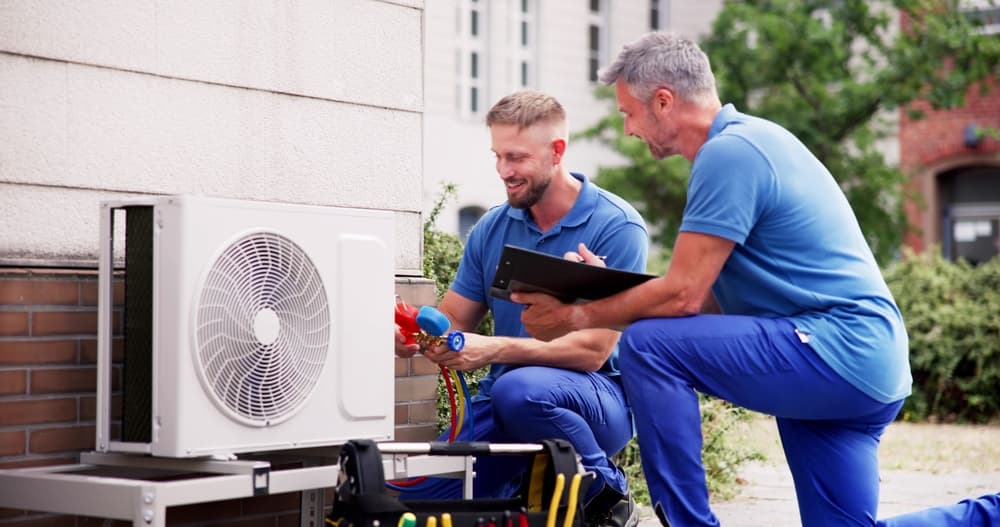
When temperatures drop, homeowners rely on efficient heating to stay comfortable indoors. One popular solution that’s gaining attention is the use of heat pumps—systems that provide both heating and cooling in a single unit. If you’re exploring your options, especially after a portable HVAC equipment rental in Riverside County, understanding how heat pumps work can help you make a smart, long-term investment. This guide covers how these systems function, why many people prefer them over furnaces, and what to consider if you’re planning to upgrade or install new HVAC equipment.
How does a heat pump work in a home heating system?
Heat pumps don’t generate heat like furnaces; instead, they move it. Even in cold air, there’s heat energy that can be transferred indoors using refrigeration technology.
 1. Air source heat transfer
 1. Air source heat transfer
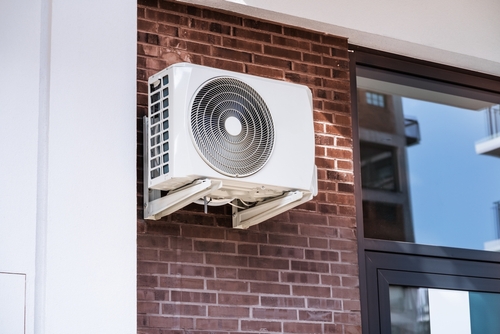
Air source systems extract heat from outdoor air and transfer it inside using a refrigerant. Even when temperatures are low, the system can find usable heat in the surrounding air. In warmer months, it works in reverse by removing heat from inside and pushing it outside, effectively cooling the home. This dual-purpose function makes it a popular year-round solution.
2. Refrigerant and compressor function
The heart of the system lies in how it uses refrigerant. The refrigerant absorbs thermal energy from the outdoor air and is then compressed to increase its temperature and pressure. Once it reaches the indoor coil, the warm refrigerant releases its heat into the home’s air. The compressor plays a critical role in this cycle, ensuring the refrigerant can move and change states as needed.
3. Reversing valve for dual function
What makes heat pumps unique is the reversing valve, which allows the system to switch between heating and cooling. With a simple signal from the thermostat, the flow of refrigerant changes direction. This functionality eliminates the need for a separate air conditioning unit, making the system more cost-effective and space-efficient.
4. Defrost cycle for colder climates
In colder regions, outdoor coils can accumulate frost, which can reduce performance. To prevent this, the system periodically switches to cooling mode to warm the outdoor coil and melt the frost. This short cycle is carefully controlled to avoid discomfort inside the home. Once the frost is cleared, the system resumes heating automatically.
5. Supplemental heat options
While highly efficient, air-source models can struggle in extremely cold weather. Many systems include electric resistance coils or auxiliary gas burners to provide backup heat. These components activate only when outdoor conditions drop below a set threshold, helping maintain indoor comfort without straining the main unit.
What are the benefits of using a heat pump instead of a furnace?
Choosing a heat pump can offer significant advantages, depending on your climate, energy goals, and budget. From efficiency to safety, there are several reasons homeowners are making the switch.
1. Energy efficiency and cost savings
 1. Energy efficiency and cost savings
Because heat pumps transfer heat instead of creating it, they often use far less electricity or fuel than traditional systems. Some models can deliver up to three times more energy than they consume. Over time, this translates into noticeable savings on utility bills, especially in milder climates.
2. Lower carbon emissions
Unlike gas furnaces that burn fossil fuels, these systems operate on electricity, which can be sourced from cleaner energy. This reduces your carbon footprint and supports environmentally friendly home upgrades. In areas with renewable power options, the environmental benefits become even more substantial.
3. Consistent and even heating
Heat pumps maintain a steady indoor temperature by running longer, low-power cycles. This reduces the sudden temperature swings often caused by gas or oil furnaces. As a result, you enjoy quieter operation and more uniform comfort throughout the day.
4. Improved indoor air quality
Since there’s no combustion, there’s less risk of introducing combustion byproducts like carbon monoxide into the home. The system also continuously circulates and filters the air, improving indoor air quality. This can be especially beneficial for those with allergies or respiratory sensitivities.
5. All-in-one heating and cooling
Rather than installing and maintaining two separate systems, a heat pump offers both functions in one. This simplifies maintenance and can lower your long-term equipment costs. It’s a smart choice for homeowners who want an efficient, streamlined HVAC setup.
How do I find efficient portable HVAC equipment rental in Riverside County?
Aerco Systems is your trusted supplier for high-quality HVAC systems and replacement parts. Whether you’re learning about heating load calculations, exploring heat recovery configurations, or figuring out boiler setups, we have the inventory and expertise you need. Whether you live close to The Mission Inn or in another part of Riverside County, our team can help you find the ideal heating and cooling system. Call or message us today to get started—reliable comfort is just one installation away.