
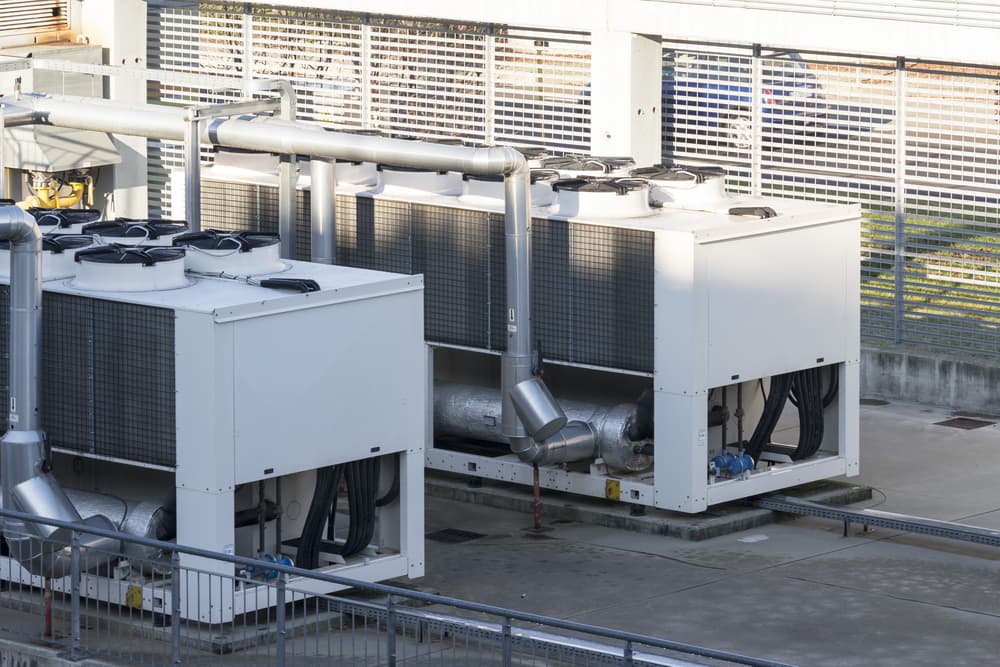
When a production line, event venue, or campus facility suddenly needs extra thermal capacity, speed and reliability matter more than ever. That’s why many operations managers turn to a move-and-cool chiller rental in Riverside County: it arrives fast, slots into the existing energy infrastructure, and keeps work flowing while bigger decisions get sorted.
Yet even the best temporary package depends on meticulous placement and integration to deliver its promised tonnage. Read on to learn how technicians make chiller installations happen—and what details smart decision-makers watch along the way.
How do you install a chiller system?
Portable chillers have some great characteristics—compact frames, rapid-connect couplings, and onboard controls ready for BMS tie-ins. Though a mobile cooling plant may look like a single “plug-and-play” box, behind that cabinet sits a miniature mechanical room: compressors, pumps, controls, power feeds, and water circuits that must mesh perfectly with your existing setup.
1. Site survey & thermal load confirmation
Before any steel rolls through the gate, specialists walk the site to verify clearances, surface integrity, and crane access. They confirm that earlier heat-load estimates align with real-world data—ambient temperatures, peak process demand, and redundancy margins. This prevents oversizing (which wastes energy) or undersizing (which risks sudden shutdowns).
2. Unit selection, sizing & accessory matching
Once the numbers hold, the team locks in a compatible module: air- or water-cooled, low-temp or comfort-cooling, complete with pumps, buffer tanks, or heat exchangers. Accessories such as variable-frequency drives, quick-connect hoses, and CAM-lock cables are staged at the depot so every hour on site is productive.
3. Rigging, positioning & leveling
The delivery crew coordinates with local traffic control to time entrance windows and avoid congestion. Certified riggers then lift the machine using spreader bars to minimize frame stress, set it on vibration-isolating pads, and verify level with digital inclinometers. Proper elevation helps oil return inside compressors and keeps flow sensors accurate.
4. Hydraulic & electrical integration
Next comes piping. Technicians purge line debris, connect supply and return hoses, and install temporary strainers to protect heat-exchanger plates. Simultaneously, electricians land conductors in weather-rated disconnects, bond the frame, and program upstream breakers for inrush current. A quick lockout-tagout sign-off clears the path to energize.
5. Commissioning & performance verification
With power on, the crew bleeds air from the water circuit, sets initial flow rates, and ramps the system under light load. The process offers a chance to properly analyze the performance of a temporary chiller, confirming that capacity, differential temperature, and power draw match design expectations. A final run under design load yields trend logs so plant engineers can track efficiency from day one.
6. Ongoing monitoring & service scheduling
Even short-term projects benefit from proactive upkeep. Remote telemetry or daily on-site checks track operating pressures, differential temperatures, and energy metrics. Consistent data capture helps operators quickly notice and troubleshoot any issues with these chillers during critical shifts. When the rental period ends, the same experts decommission the gear, flush glycol, and restore the site to its original condition.

Who can offer the most reliable move and cool chiller rental in Riverside County?
At Aerco Systems, we’ve raised the bar for fast, precision chiller roll-outs across Riverside County. Backed by 40+ years of HVAC-rental expertise and 24/7 emergency readiness, our factory-trained crews follow an industry-standard commissioning checklist, ensuring every portable chiller reaches its design capacity, maintains temperature stability, and integrates seamlessly with your existing infrastructure.
From the stainless-steel cellars preserving Temecula Valley’s award-winning vintages to the research corridors along the I-215, we deliver temporary systems that arrive ready, perform reliably, and minimize disruption. Speak with one of our specialists to secure the right rental package and keep your operations running strong—no matter how high the mercury climbs.