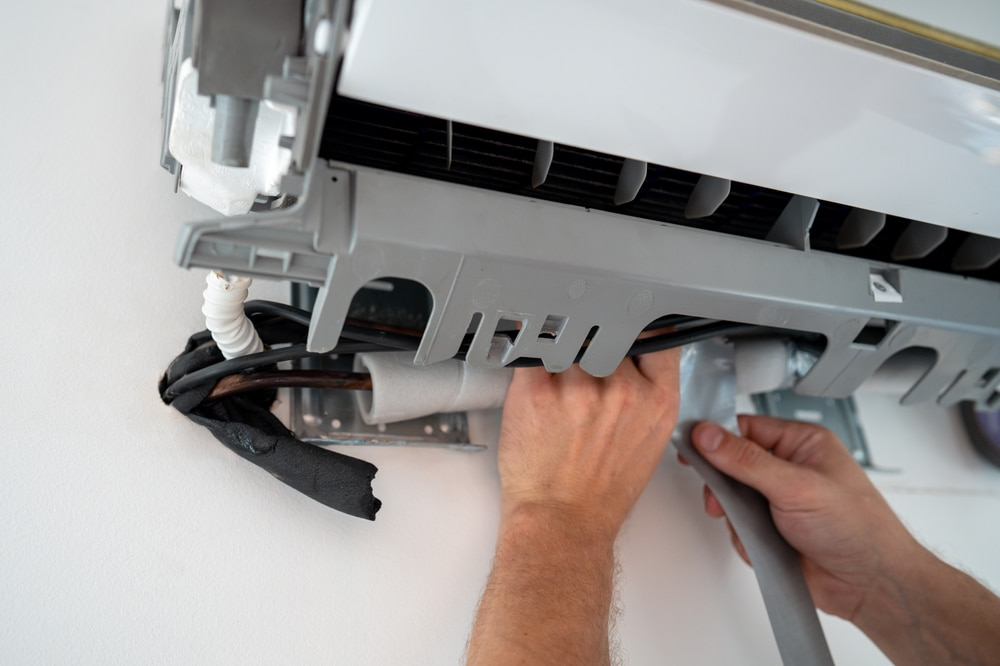
Portable AC units are often a reliable solution when a building needs temporary cooling during maintenance, repairs, or an unexpected system failure. But if one of those units starts leaking water, it can quickly create concern about safety, performance, and potential damage to the surrounding area.
For facilities relying on HVAC equipment rental services in Orange County, knowing how to respond to a leak can help prevent disruption and protect both the equipment and the space around it. In some cases, the issue is minor and easy to identify. In others, it may signal a drainage, setup, or operational problem that needs immediate attention.
What causes a rented portable AC unit to leak water?
Water leaks usually happen when condensation is not draining the way it should. Portable AC units remove moisture from the air as part of the cooling process, and that moisture needs to be collected or directed away properly.
1. The condensate system is blocked or overwhelmed
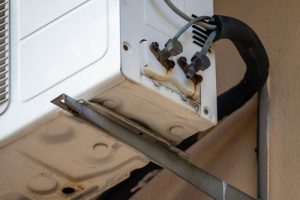
Many portable AC units rely on internal condensate removal systems, drain pans, or hoses to move water away from the unit. If a drain line becomes blocked, disconnected, or restricted, water can begin to collect and spill out.
 2. The unit is not level
 2. The unit is not level
Portable units need to sit on a stable, level surface to drain properly. If the equipment is tilted or placed unevenly, water may pool in the wrong area and escape from the cabinet instead of flowing through the intended drainage path.
3. Humidity levels are especially high
In some commercial and industrial environments, the unit may be pulling more moisture from the air than usual. When humidity is high, condensation can build up more quickly and place extra demand on the drainage setup.
4. A hose or fitting has come loose
If the unit uses an external drain hose or condensate connection, a loose fitting can allow water to escape before it reaches the proper discharge point. This may happen after transport, setup, or repositioning.
What should you do first if a portable AC unit is leaking?
The first step is to respond calmly and safely. A leak is a common problem and does not always mean the unit has failed, but it should be addressed promptly to avoid water damage or unnecessary downtime.
1. Check the area around the unit
Look for where the water appears to be coming from. Notice whether it is pooling under the unit, dripping from a hose connection, or collecting near a drain point. This can help narrow down whether the problem is related to setup, drainage, or condensation volume.
2. Inspect visible drain hoses and connections
If the portable AC unit uses a drain hose, check for obvious kinks, loose fittings, or disconnections. A line that is pinched or shifted out of place may prevent proper drainage and cause water to back up.
3. Confirm that the unit is level
Take a quick look at the unit’s position. If it appears to be leaning or sitting unevenly, that may be contributing to the leak. Do not attempt major repositioning on your own if the equipment is large or connected to other temporary systems.
4. Avoid letting the problem continue
If water is actively leaking, do not ignore it and assume it will stop on its own. Continued operation without correction can create slip hazards, damage nearby materials, or affect the unit’s ability to cool properly.
When should you call your HVAC rental provider?
You should call as soon as the leak appears persistent, the drainage setup looks compromised, or the unit is not performing normally. Rental equipment should support the space reliably, especially in commercial and industrial settings where temperature control matters.
A knowledgeable provider can inspect the unit, correct installation-related issues, clear drainage problems, or determine whether replacement equipment is needed to keep operations on track.
Where can you find dependable HVAC equipment rental services in Orange County?
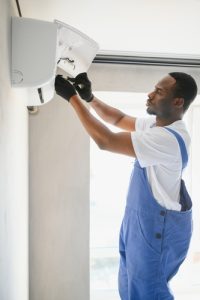 At Aerco Systems, we provide fast, reliable support for temporary cooling needs in commercial and industrial environments. If a rented portable AC unit is leaking water, our team can help identify the problem, address the issue safely, and keep your temporary cooling system operating the way it should.
Many facilities also want to understand why a rental HVAC unit keeps shutting off mid-use, learn how to spot a faulty rental unit within the first 24 hours, and know what to do if a rented portable AC is not cooling enough. Whether your site is near John Wayne Airport or elsewhere in the region, we offer quick service, safe installation, ongoing support, and a full range of rental equipment to meet your needs. Get in touch today!