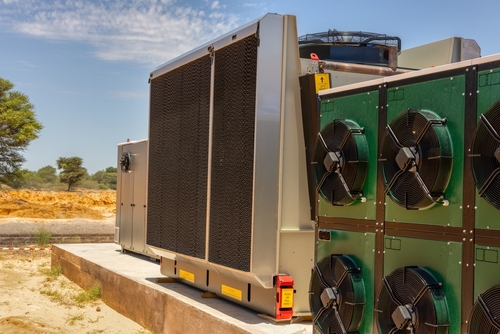
In demanding operational settings, there’s always the need for efficient cooling of equipment, processes, or working environments. However, due to the sheer volume of cooling necessary, committing to an integrated system every time supplementary, temporary, or emergency cooling is required is neither feasible nor viable.
That’s where a portable chiller rental Riverside County companies offer come into play. These units are reliable, scalable, and effective alternatives to permanent systems, enabling businesses to not only stay in business – but to operate at optimal capacity at all times. That’s why it pays to familiarize yourself with the inner workings and potential of these devices.
What is a rental chiller?
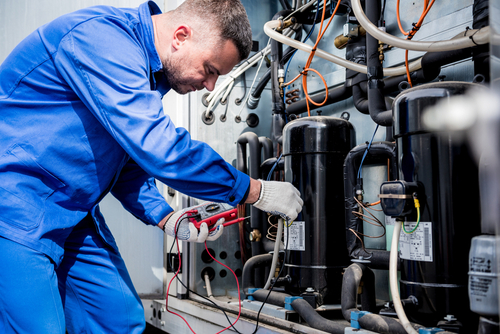
Also known as a “temporary cooling unit”, “move & cool”, or simply “portable/temporary chiller”, a rental chiller is a non-permanent cooling solution characterized by versatility, flexibility, and affordability:
- Versatility: Portable chillers come in various sizes and types (air-cooled and water-cooled), with cooling capacities ranging from a few tons to hundreds of tons.
- Flexibility: Modern move & cool units can be adapted to any setting, process, and space size/layout.
- Affordability: Since renting a chiller costs only a fraction of buying a new one, it is the ideal solution for businesses to scale their cooling needs without committing to a large financial investment.
- Affordability+: Rental units typically come with professional installation, comprehensive setup for optimum performance, and ongoing maintenance support (including emergency troubleshooting), eliminating long-term upkeep from the equation without compromising cooling effectiveness.
In addition, these handy devices can be used both as emergency or supplementary solutions in different situations, such as:
- When a permanent chiller is undergoing scheduled maintenance;
- During unexpected primary cooling system failures;
- As a cooling boost during peak seasonal demand periods;
- For short-term projects that require additional cooling capacity.
For these reasons, rental chillers are commonly used for temperature regulation in commercial and industrial areas throughout the Riverside County (e.g., Moreno Valley, Perris, Hemet, etc.), including the most demanding settings such as manufacturing, food processing, and medical/pharmaceutical.
How does a temporary chiller work?
Aside from the added mobility and adaptability, a temporary chiller works exactly the same as a permanent (integrated) one – by following the basic refrigeration cycle:
- Absorption: A chiller unit uses refrigerant to extract the heat from a process or the environment.
- Air-cooled chillers disperse heat into the surrounding air;
- Water-cooled chillers transfer heat to a secondary water loop;
- Compression: After absorbing the heat, the refrigerant turns gaseous. The gas then moves to a compressor where it is presurized and sent to the condenser.
- Condensation: In the condenser, the high-pressure gas releases heat and turns back into liquid.
- Cooling: Once back in its liquid state, the refrigerant passes through an expansion valve that reduces the pressure and temperature. Now chilled and depressurized, the refrigerant is reintroduced into the system to absorb more heat, and the cycle begins anew.
Of course, this is a simplified breakdown of the process, but it goes to show that portable chillers offer the same benefits as integrated systems – whether it’s cooling manufacturing equipment, preserving perishable goods, or maintaining a pleasant work environment.
Where can I find a top-tier portable chiller rental near me in Riverside County?
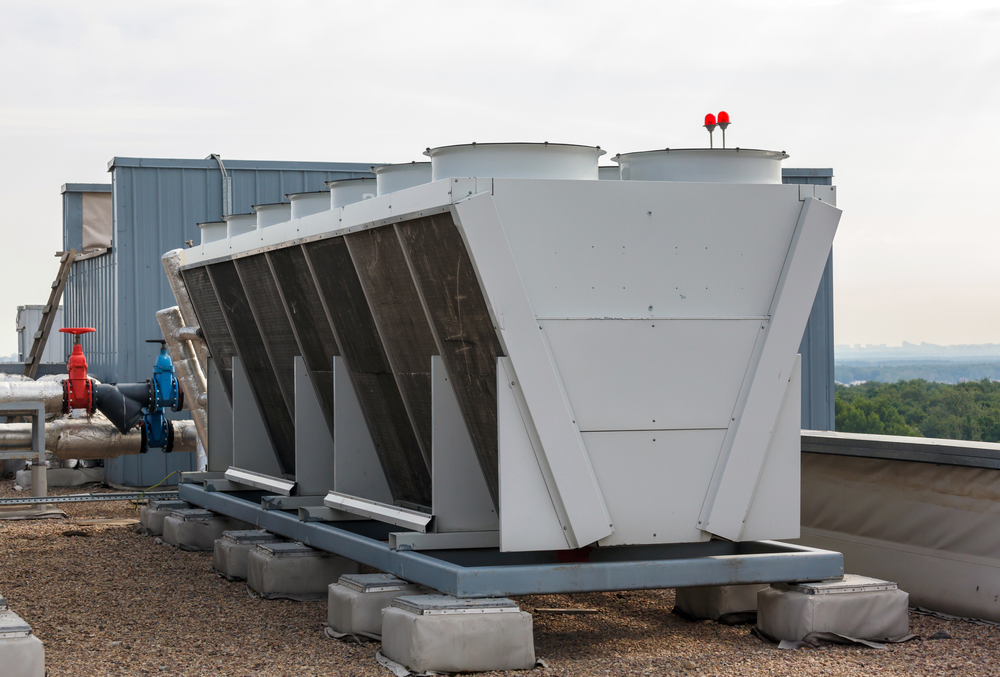
A 40+-year veteran of the industry, Aerco Systems is the go-to choice for portable heating and cooling solutions in Riverside County and surrounding regions. We specialize in commercial and industrial systems, delivering prompt installation, setup, and maintenance services to a diverse range of settings – from offices to warehouses to manufacturing facilities. Contact us today for all your temporary/emergency heating and cooling needs, and reap the benefits of uninterrupted, optimal operation.