
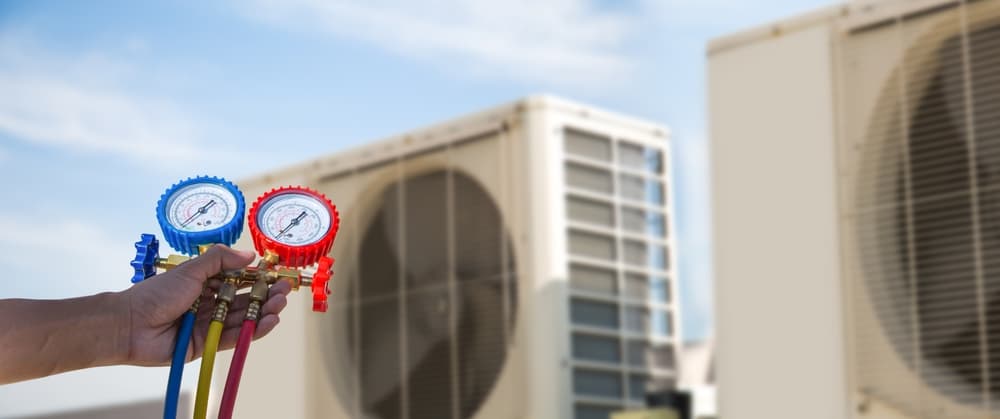
When planning a new heating system, accuracy matters. Heating load calculations determine exactly how much energy your HVAC system needs to produce to keep a space comfortable—without overworking or wasting energy. Whether you’re designing for a large facility or upgrading a home, it’s a fundamental process. If you’ve previously used commercial HVAC rental services in Riverside County and are now considering a permanent solution, understanding load requirements is a great place to start.
How do I calculate the heating load for my home HVAC system?
Heating load is all about balance—matching system output with the unique needs of your space. Getting it right means better efficiency, lower energy bills, and consistent comfort.
 1. Measure the square footage of the space
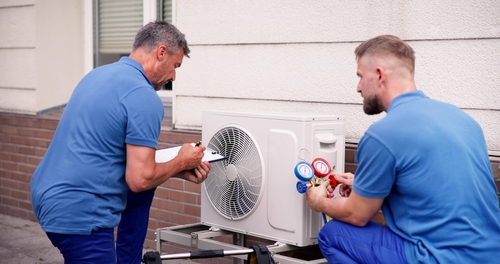 1. Measure the square footage of the space
Start by measuring the square footage of each room and the entire area that requires heating. This gives you a baseline for calculating how much warmth is needed overall. Larger areas naturally need more energy to maintain temperature, but layout and structure also come into play.
2. Account for insulation levels
Well-insulated homes retain heat more effectively, requiring less system output. You’ll need to assess attic insulation, wall materials, and even the type of windows and doors used. Poor insulation often means your system has to work harder to compensate.
3. Include window size and orientation
Windows can be a major source of heat loss, especially if they’re older or not energy-efficient. South-facing windows may offer passive heating benefits, while north-facing ones could create cold spots. Size, quantity, and glazing type all factor into total heat demand.
4. Factor in ceiling height and room volume
Heat rises, so taller rooms typically require more heating to maintain comfortable temperatures at the occupant level. It’s not just about floor space—the full volume of the room influences how much energy the system must generate. Homes with vaulted ceilings or open lofts may need extra capacity.
5. Identify air leakage points
Drafts around windows, vents, and doors can lead to significant heat loss. Use a blower door test or infrared imaging to spot areas where warm air escapes or cold air enters. Fixing these issues can reduce the required system size and increase overall comfort.
6. Consider internal heat gains
People, lighting, and appliances all produce heat, which contributes to the total load calculation. In busy homes or those with lots of electronics, this internal warmth can reduce the external energy demand slightly. Still, it should be included in the equation for accuracy.
What factors affect heating load in residential buildings?
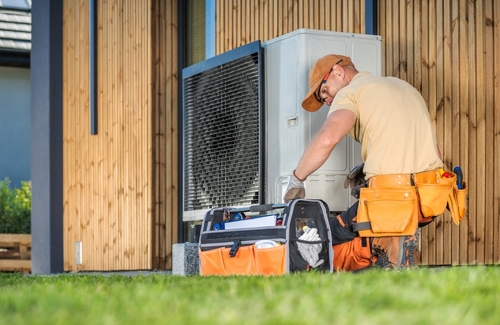 What factors affect heating load in residential buildings?
Beyond the numbers, a variety of physical and environmental factors influence your heating load. Accounting for these details ensures your HVAC system works efficiently across all seasons.
1. Local climate zone
A home in a mild winter climate needs less heating than one in a snowy, subzero region. Your geographic location influences everything from outdoor temperature swings to humidity and wind exposure. Load calculations must be adapted to local weather patterns for best results.
2. Building orientation and shading
A home that gets full sun during the day may require less heating than one in constant shade. Tree cover, nearby buildings, and overhangs all impact solar heat gain and loss. This environmental context helps you fine-tune your system design.
3. Age and construction type of the home
Older homes typically have less efficient building envelopes and may lack modern insulation or air sealing. Newer construction, especially energy-efficient builds, may require smaller systems due to tighter construction and better materials. The structure’s thermal characteristics directly affect load requirements.
4. Desired indoor temperature
Not all households aim for the same thermostat setting. A home maintained at 72°F will need more heat than one kept at 65°F. Your comfort preferences play a role in determining what your HVAC system needs to deliver.
5. Ductwork efficiency and air distribution
If your ducts are leaky or poorly insulated, you’ll lose heat before it ever reaches your living spaces. That inefficiency must be accounted for during the load calculation. Sealing ducts and optimizing airflow improve performance and may even allow for a smaller system.
How do I find reliable commercial HVAC rental services in Riverside County and the surrounding area?
At Aerco Systems, we supply everything you need to build smart, efficient HVAC systems that meet your exact load requirements. Our experts help you weigh all your options—whether that’s sizing for a heat pump, planning for heat recovery integration, or maintaining boiler systems in larger commercial applications. No matter where you live in Riverside County, we offer the systems, parts, and expertise to guide you from load calculation to final installation. Contact us today to get started!