
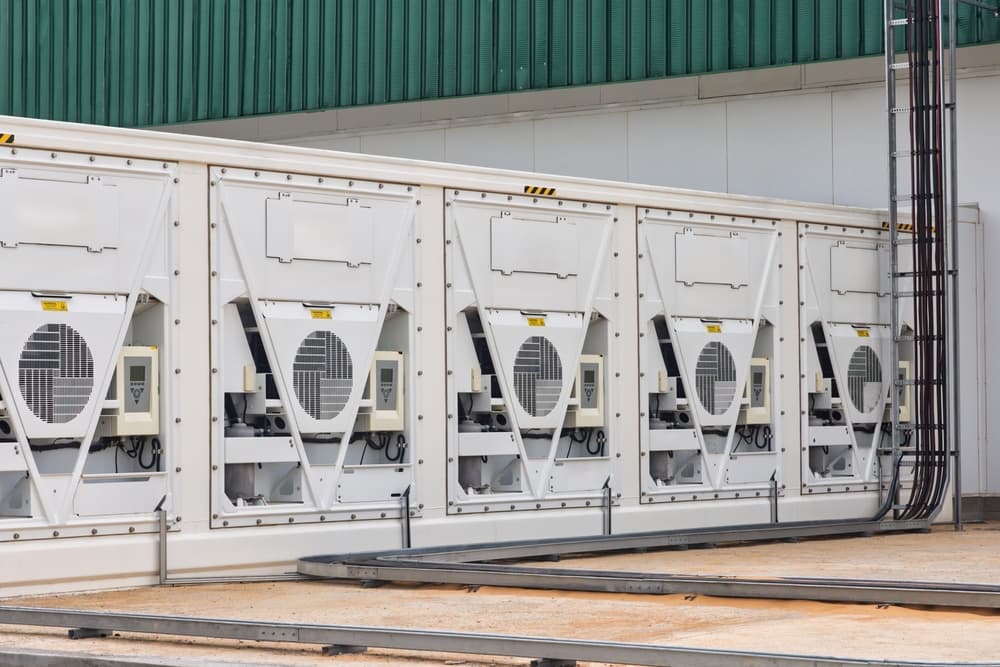
When temperatures rise or infrastructure collapses, emergency cooling systems provide much more than comfort—they become a critical part of relief operations and even save lives. Whether in the healthcare sector, temporary shelters, or command centers, these systems help stabilize health conditions, protect essential supplies, and sustain recovery efforts. Heat stress, dehydration, and spoiled resources can turn a crisis into a catastrophe if not managed swiftly.
That’s why in Orange County today, chiller rentals, mobile cooling units, and temporary HVAC systems are the standard assets in disaster response planning. They keep air breathable, equipment functional, and people safe in even the harshest environments. Understanding the role and value of emergency cooling helps responders plan smarter, protect vulnerable populations and assets, and maintain operational efficiency when it matters most.
What are the benefits of emergency cooling in disaster relief?
Emergency cooling is far more than a technical convenience—it’s a cornerstone of modern disaster relief strategy. By protecting health, preserving critical resources, and improving working conditions, it enables emergency teams to respond effectively and sustain recovery efforts under extreme pressure. For communities and organizations committed to preparedness, prioritizing emergency cooling infrastructure is not optional—it’s a life-saving necessity.
1. Protecting lives from heat-related illness
During disasters, especially in regions prone to extreme heat or humidity, industrial-grade chillers directly reduce the risk of heat-related illnesses. Victims and responders exposed to prolonged high temperatures are vulnerable to heat exhaustion and heatstroke, both of which can become fatal without prompt intervention. Portable chillers create safe zones that stabilize body temperature and prevent dehydration.
2. Supporting medical response & patient care
Medical teams depend on controlled environments to deliver effective care. Emergency cooling systems maintain stable temperatures in temporary clinics and field hospitals, preventing medical equipment from overheating and ensuring temperature-sensitive medications remain viable. Moreover, a comfortable environment improves patient recovery times and helps healthcare professionals perform efficiently under pressure.
3. Preserving food, water & essential supplies
In crisis zones, the availability of safe food and clean water is already limited. Without adequate temperature control, supplies spoil quickly, creating hygiene hazards and increasing the risk of illness outbreaks. Emergency cooling prevents contamination and extends the usability of perishable goods. Portable chillers also help maintain the stability of chemical and biological materials used for testing or sanitation, ensuring that aid operations remain consistent and effective.
4. Creating safe & livable shelters
Temporary shelters often house large numbers of displaced individuals, which can quickly lead to overheating and poor air quality. Emergency cooling provides a vital balance by maintaining safe temperatures and adequate ventilation. This contributes to better sleep, lower stress, and stronger immune responses among evacuees. Maintaining air circulation also helps reduce the spread of airborne pathogens—an essential factor in crowded or enclosed shelter conditions.
5. Enhancing operational efficiency for relief teams
Responders, engineers, and logistics personnel must function under demanding conditions for long hours. Heat can rapidly drain energy levels, reduce focus, and impair decision-making. By providing cooled rest zones and temperature-regulated workspaces, emergency cooling systems allow teams to operate safely and efficiently. Proper climate control minimizes fatigue and maintains morale, enabling faster, better-coordinated disaster management.
6. Reducing equipment failure & energy waste
Beyond human health, cooling also plays a technical role in preserving the reliability of electrical and mechanical systems. Generators, communications gear, and command center technology can overheat if not properly ventilated. Chiller units regulate ambient temperatures, preventing shutdowns or data loss during critical operations. Additionally, modern temporary cooling systems are energy-efficient and designed for quick setup, helping reduce power consumption and operational costs in already resource-constrained environments.
7. Building long-term resilience
The benefits of emergency cooling extend beyond immediate disaster relief. Organizations that integrate these systems into their emergency preparedness plans build greater resilience for future crises. Having mobile or scalable cooling infrastructure in place ensures faster deployment, less downtime, and better safety outcomes when the next event strikes. Investing in these systems demonstrates a proactive approach to health, logistics, and disaster management, reinforcing your capacity to adapt and recover.
Which company in Orange County specializes in high-quality chiller rentals?
From San Clemente in the south to communities in the north and everywhere in between, Aerco Systems is the local leader in high-end commercial and industrial cooling solutions. No matter how big or small your business, warehouse, or industrial facility is, we have the efficient and eco-friendly setup you’re looking for.
Our commitment to attentive support means we’re always here to answer your questions on spot coolers, outline the details behind portable chiller technology, guide you through the list of typical mistakes in temporary cooling setups, and so much more. If you’re looking for reliable process refrigeration, help with planned shutdowns, commercial chilling solutions, or special event cooling, we have you covered. Get in touch with us today!