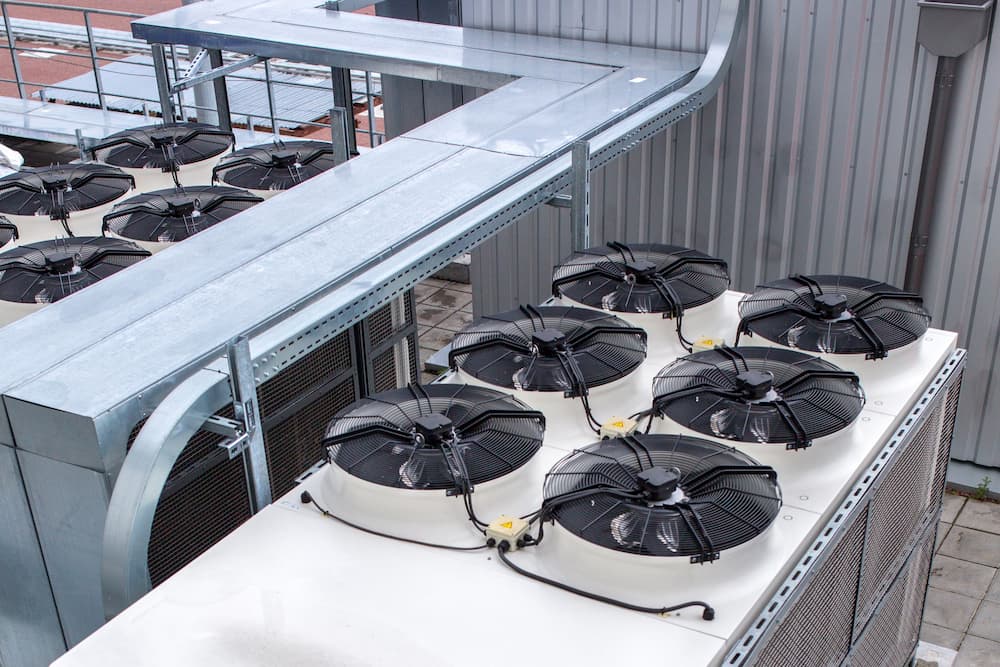
When emergencies, construction projects, or events demand rapid temperature control in Orange County, chillers for rent and temporary cooling systems step in as essential tools for maintaining safety and comfort. Yet even the best equipment can underperform if it’s not set up correctly. From undersized units to overlooked airflow paths, small oversights often lead to big inefficiencies—and costly downtime.
In many cases, these issues aren’t caused by faulty equipment, but by installation or operational errors that could easily be prevented with better planning and execution. Whether you’re setting up portable air conditioners, industrial chillers, or temporary HVAC systems, understanding the most common mistakes helps you avoid system strain, uneven cooling, and unnecessary energy waste. By approaching temporary cooling with the same precision as a permanent installation, you can protect people, equipment, and productivity in every environment.
What are common mistakes in temporary cooling setups?
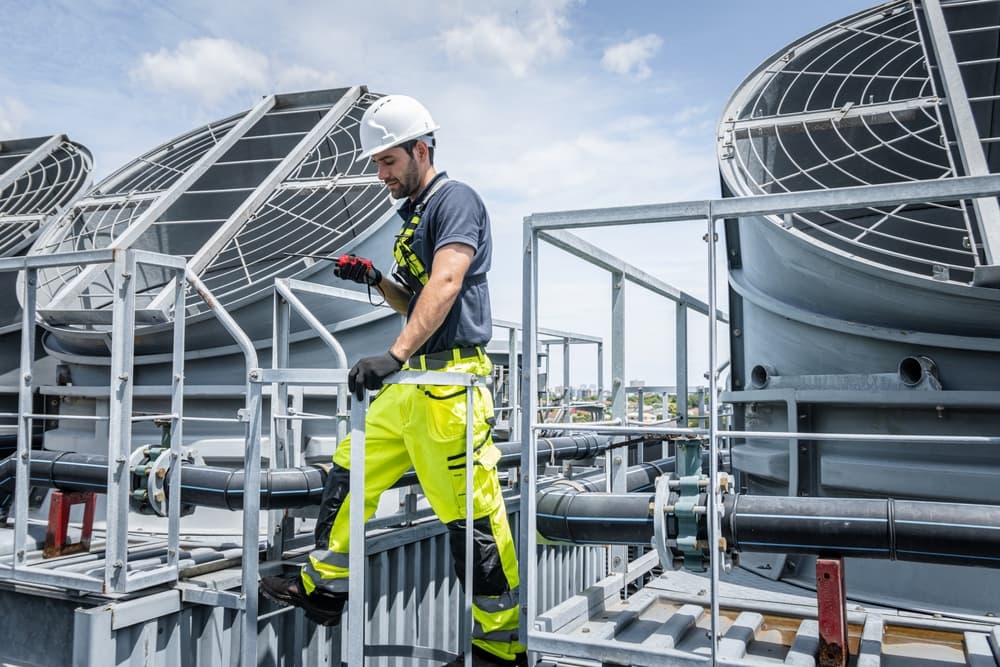
Rental chillers are powerful tools for maintaining comfort and safety under pressure, but they’re only as effective as their setup allows. The most common mistakes—improper sizing, weak airflow, poor insulation, and skipped maintenance—can all be avoided with proactive planning and attention to detail. Here are the 8 most common errors that can cost your operation dearly:
1. Incorrect system sizing
One of the most frequent and costly mistakes is choosing the wrong size unit. Undersized systems can’t meet cooling demands, while oversized units cycle on and off too often, wasting energy and wearing down components prematurely. Partnering with a professional to assess your BTU or tonnage requirements ensures balanced performance and efficiency throughout the space.
2. Poor airflow design
Even a high-capacity chilling unit can’t perform effectively if the air isn’t moving as it should. Blocked vents, poorly placed ducts, or uneven air distribution create hot and cold zones that strain the system. In larger or enclosed environments, temporary fans or diffusers are used to balance air distribution. Proper ventilation not only maintains consistent cooling but also prevents humidity buildup.
3. Ignoring insulation & containment
A common oversight in temporary setups is failing to control the environment being cooled. Without proper insulation, cold air escapes and warm air enters, forcing the system to work harder than necessary. In outdoor or partially open setups, every degree lost to poor containment translates to higher operating costs and shorter equipment lifespan.
4. Overlooking power requirements
Temporary cooling units require reliable and stable power sources. Connecting equipment to circuits that can’t handle the load can cause electrical failures, system damage, or even safety hazards. If your setup includes multiple units, it’s important to distribute power evenly across circuits to reduce the risk of tripping breakers or damaging components.
5. Neglecting humidity control
Cooling alone doesn’t guarantee comfort or safety. High humidity levels can make conditions feel warmer and contribute to mold, corrosion, or condensation on sensitive equipment. Many temporary cooling systems include built-in dehumidification functions, but they’re often underutilized. Proper humidity control improves air quality, protects assets, and enhances overall system efficiency.
6. Placing units in poor locations
Where you position your cooling units matters. Units placed too close to walls, direct sunlight, or heat-generating equipment can’t operate efficiently. Chillers need adequate clearance for air intake and exhaust, so it’s important to keep the area around the unit free of debris. Strategic placement improves airflow, extends system life, and reduces energy consumption.
7. Failing to plan for scalability
Disaster relief, large events, or industrial projects often evolve quickly. A setup that meets day-one requirements may not handle future load increases. Always plan for scalability—have the capacity and infrastructure ready to add more units or upgrade equipment as needed. Scalable planning prevents emergency downtime and ensures consistent cooling even as conditions change.
Where in Orange County can I find dependable chillers for rent?
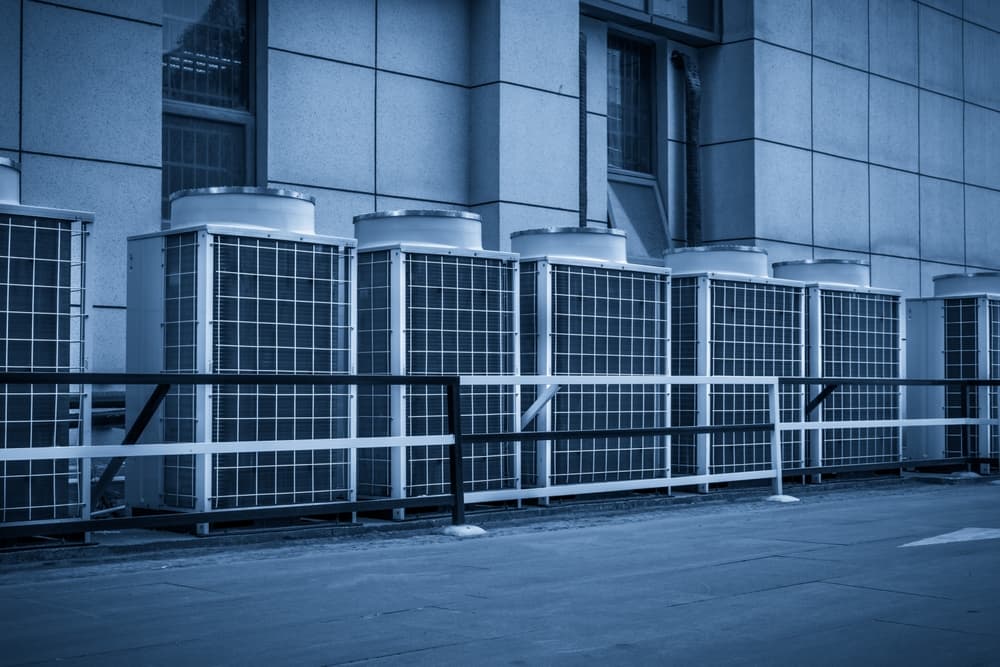
Whether you’re looking for efficient move and cool systems in Sunset Beach or any other part of OC and the nearby areas, Aerco Systems has high-end portable cooling units to keep your facility and assets chill when the heat is on. By prioritizing load calculations, airflow design, and environmental control, we ensure efficient operation, cost savings, fewer disruptions, and stronger results when they matter most.
If you need a full guide to spot coolers, want to get into the nitty-gritty of portable chillers, or aren’t sure about the many benefits of emergency cooling in crises, feel free to turn to our professionals, and we’ll do our best to provide clarity and answer all your queries.
Whether you’re using it for construction, emergency relief, or short-term facility management, we’ll help you get your cooling right from the get-go. Contact us today!